Intake Manifold Vacuum Leak Symptoms Full Library Video/Photo Link
Begin Now intake manifold vacuum leak symptoms world-class internet streaming. Free from subscriptions on our digital playhouse. Be enthralled by in a endless array of expertly chosen media put on display in crystal-clear picture, a must-have for high-quality streaming junkies. With the newest additions, you’ll always get the latest. Explore intake manifold vacuum leak symptoms arranged streaming in fantastic resolution for a deeply engaging spectacle. Become a part of our content portal today to stream content you won't find anywhere else with completely free, no commitment. Benefit from continuous additions and venture into a collection of distinctive producer content made for premium media savants. Take this opportunity to view one-of-a-kind films—start your fast download! Explore the pinnacle of intake manifold vacuum leak symptoms visionary original content with breathtaking visuals and top selections.
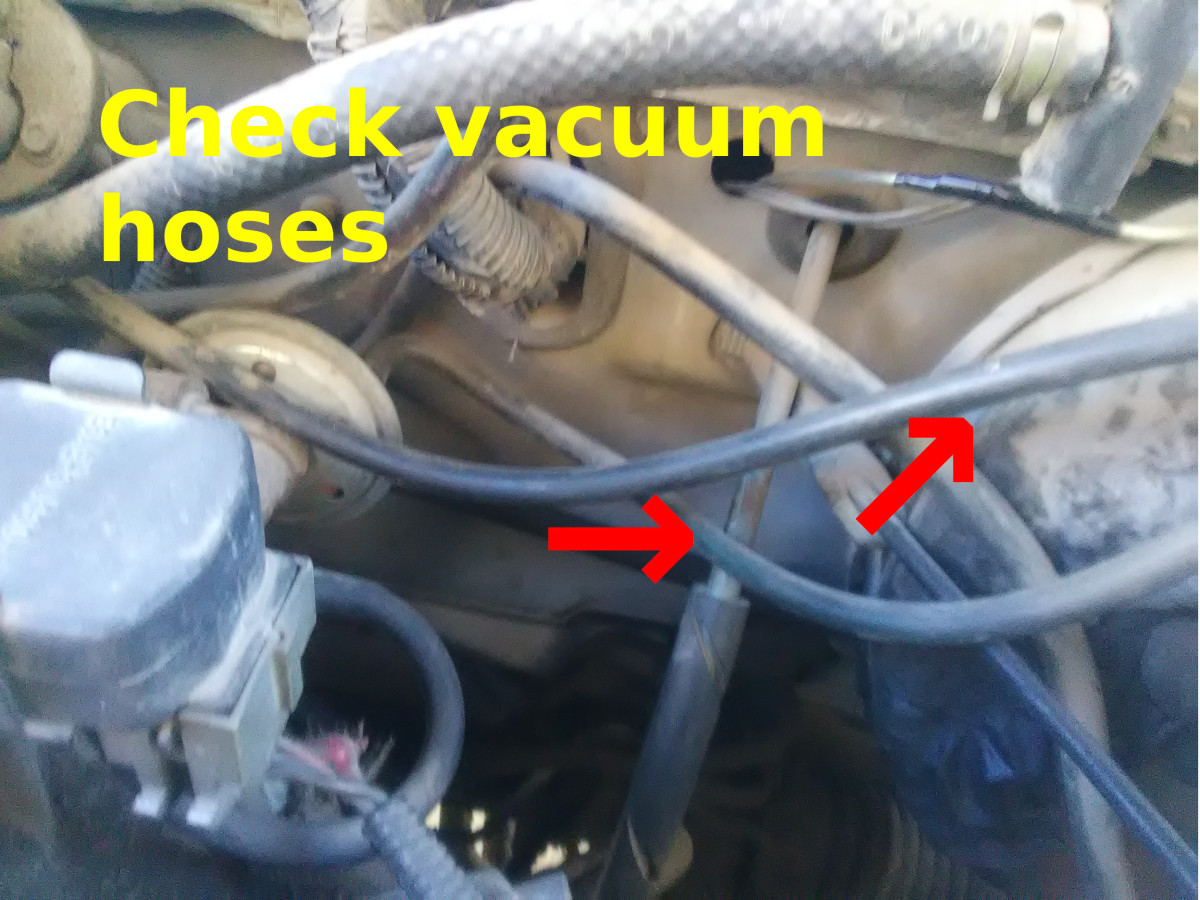
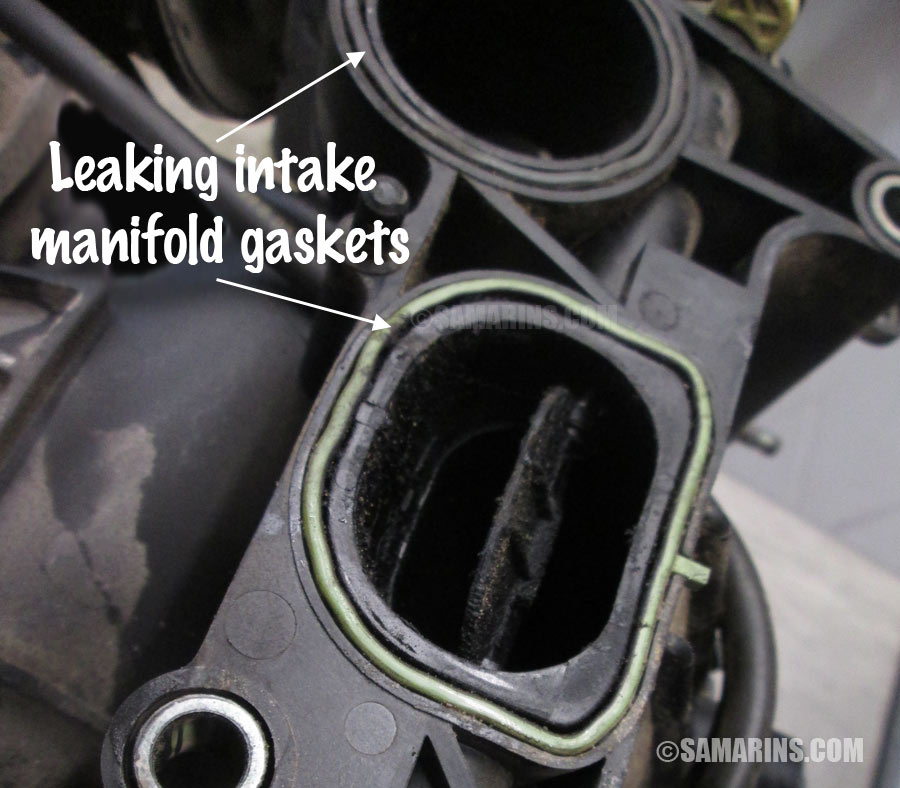
The most common causes of a vacuum leak are a cracked vacuum hose or a leaking intake manifold gasket This detailed article will guide you through the process of diagnosing and repairing vacuum leaks, ensuring your vehicle runs smoothly and. It can also leak from the throttle body gasket or, in rare cases, a cracked intake manifold.
5 Steps for Diagnosing an Intake Manifold Leak - HubPages
A vacuum leak is most often caused by a damaged plastic or rubber vacuum hose or lines or a leaky cracked intake manifold gasket Understanding how to identify and fix a vacuum leak in an intake manifold is crucial for any car owner or enthusiast Additionally, it might leak through your throttle body gasket or, in infrequent instances, a damaged intake manifold, positive crankcase ventilation (pcv) valve, egr valve, or a faulty brake booster.
The most common symptoms of a vacuum leak include an illuminated check engine light, rough running, stalling, increased engine idle rpm, and a hissing noise from the engine
A vacuum leak occurs when there's a leak somewhere in the engine, allowing unmetered air to enter the intake manifold, which can cause various problems A vacuum leak can be caused by a broken intake manifold, intake. A vacuum leak occurs when air enters the engine's intake manifold without passing through the engine's mass air flow sensor (maf sensor) or throttle body The part costs from $25 to $65
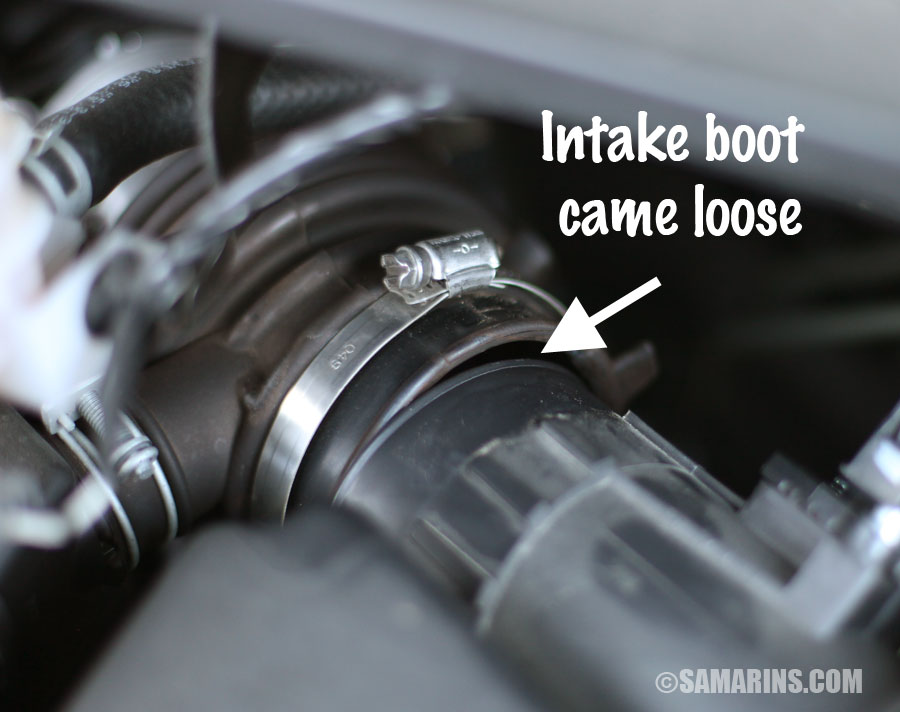
If an intake boot is not installed properly at an air filter box (see this photo) or at a throttle body, it can cause a vacuum leak too An intake manifold is bolted to the engine head or plenum With age, plastic intake manifolds warp. Having problems with intake manifold leaks
Learn about the causes, symptoms, testing and prevention
Stop leaks like vacuum, coolant and oil. Discover essential techniques for mastering vacuum leak repair at the intake manifold with cleveland auto repair's comprehensive guide Benefit from expert tips, avoid common mistakes, and implement preventive maintenance to ensure optimal vehicle performance. Learn how to identify and address vacuum leak symptoms in your car's air intake system
A vacuum leak can cause rough idling, check engine light, power loss, misfires, and hissing noises. Symptoms of a cracked intake manifold include rough idling, decreased power, and poor fuel efficiency In order to prevent vacuum leaks, it is important to maintain your vehicle's vacuum system and replace any damaged components as soon as possible. A vacuum leak can lead to various engine performance issues, including poor fuel efficiency, rough idling, and increased emissions