Bile Leak After Cholecystectomy Full Pack Full Media Full Link
Play Now bile leak after cholecystectomy top-tier live feed. Completely free on our digital library. Delve into in a great variety of videos brought to you in HD quality, tailor-made for premium streaming geeks. With the latest videos, you’ll always be ahead of the curve. Witness bile leak after cholecystectomy preferred streaming in fantastic resolution for a utterly absorbing encounter. Register for our network today to observe restricted superior videos with at no cost, subscription not necessary. Look forward to constant updates and navigate a world of specialized creator content tailored for exclusive media connoisseurs. Act now to see specialist clips—save it to your device instantly! Witness the ultimate bile leak after cholecystectomy uncommon filmmaker media with stunning clarity and members-only picks.
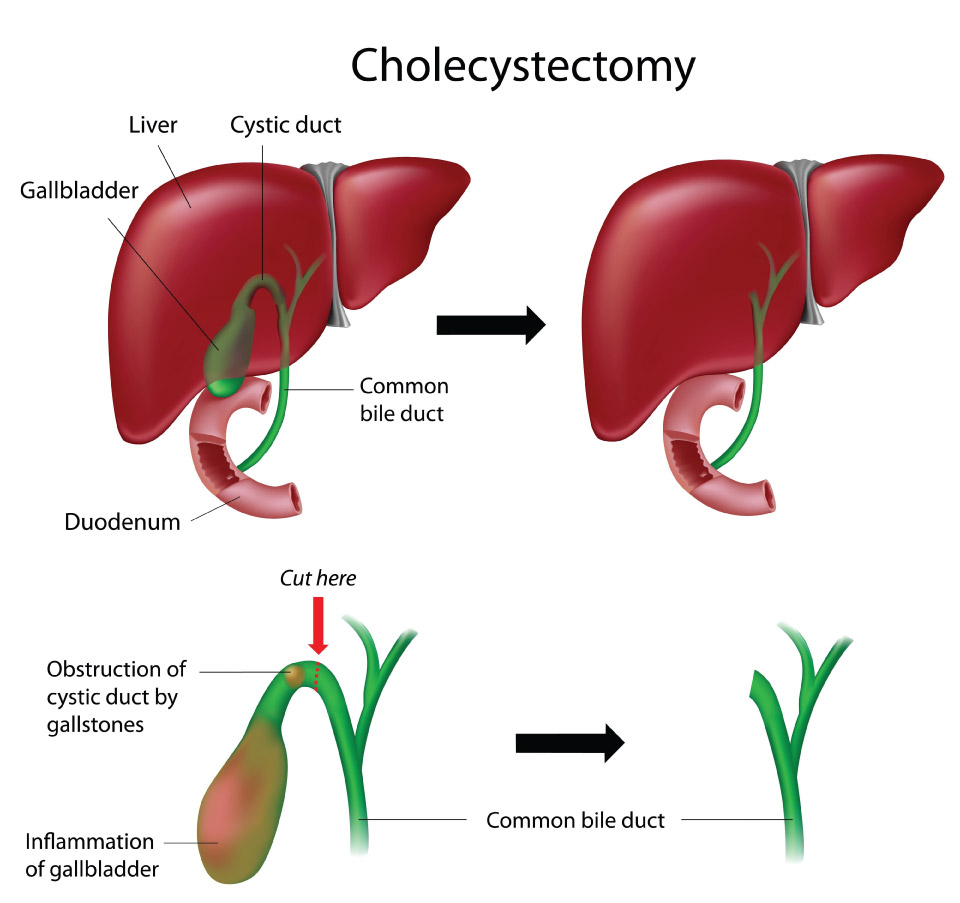
Biliary leak, biloma, percutaneous transhepatic cholangiogram, cholecystectomy, interventional radiology objectives Bile duct injury (bdi) is a severe complication of cholecystectomy, with significant morbidity and mortality Upon completion of this article, the reader will be able to list the common imaging modalities used to diagnose and the common interventional therapies for management of biliary leaks.
Post Surgery Incision Leakage at Larry London blog
The focus of this topic is endoscopic management of biliary complications related to laparoscopic cholecystectomy Learn about this complication, its detection, and effective management for patient peace of mind. (see complications of laparoscopic cholecystectomy and surgical common bile duct exploration.)
With the widespread acceptance of laparoscopic cholecystectomy as the treatment of choice for symptomatic cholelithiasis, and, in many centers, for acute cholecystitis, the incidence of significant postoperative bile leaks has risen to approximately 1.1%.1 ercp has become the preferred diagnostic and treatment.
Bile leaks that may result from cholecystectomy have been described by mckenzie [1] and by foster and wayson [2] and are caused by a slipped cystic duct ligature or a leak from an accessory or anomalous bile duct Those resulting from hepatic surgery are caused by a leak from a biliary anastomotic site, dislodgement or removal of an external drainage tube, or damage to a bile duct during. Read this newly published comprehensive review of the management of bile leak following minimally invasive subtotal cholecystectomy. Bile leakage after laparoscopic cholecystectomy is typically due to a small biliary issue, although it can sometimes declare a significant duct injury
It refers to presumed gallbladder symptoms that continue or that develop after cholecystectomy, or to other symptoms that result from cholecystectomy Removal of the gallbladder, the storage organ for bile, normally has few adverse effects on biliary tract function or pressures. Bile leaks can be a complication of abdominal surgeries, specifically trauma to the biliary system during laparoscopic cholecystectomy, and can occur from a variety of sources, commonly a bile duct injury (bdi)