Are Blueberries The Only Blue Fruit Full Files Video & Foto Download
Start Now are blueberries the only blue fruit select online video. Completely free on our media hub. Experience the magic of in a comprehensive repository of content showcased in superior quality, the ultimate choice for high-quality streaming devotees. With content updated daily, you’ll always get the latest. Discover are blueberries the only blue fruit arranged streaming in high-fidelity visuals for a deeply engaging spectacle. Hop on board our media center today to check out restricted superior videos with absolutely no cost to you, no strings attached. Appreciate periodic new media and browse a massive selection of specialized creator content built for first-class media addicts. Seize the opportunity for singular films—get it fast! Discover the top selections of are blueberries the only blue fruit original artist media with dynamic picture and featured choices.
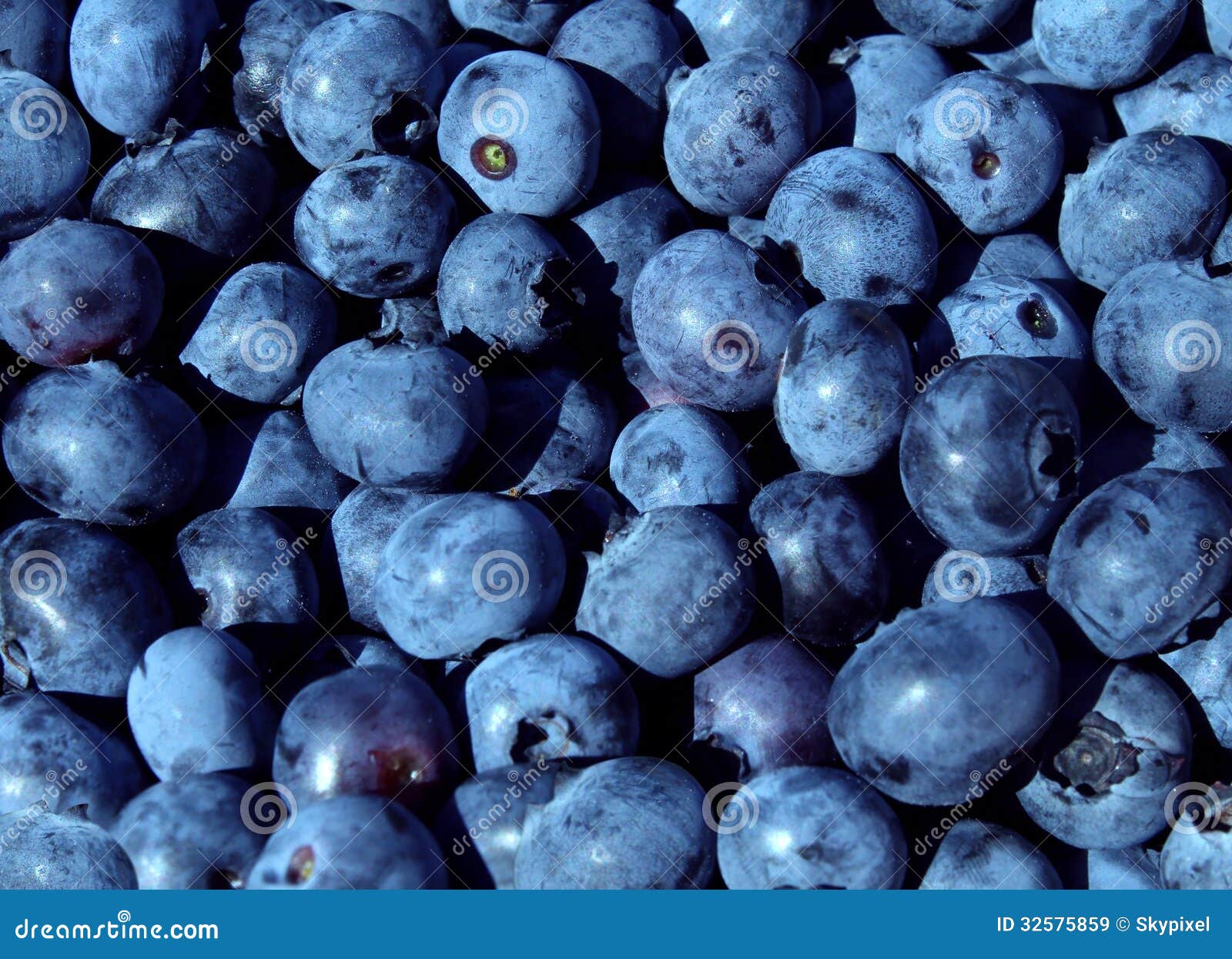
Blueberries only appear blue due to a natural wax coating that reflects ultraviolet light In the study, published today in science advances, researchers show why blueberries are blue. Learn how this wax works, why blueberries are not the only blue fruit, and what it means for color science.
Free Images : summer, food, produce, blueberry, market, blue, healthy
Blueberries have a thin layer of wax with tiny structures that scatter blue and uv light, creating a blue appearance This applies to lots of fruits that are the same colour including damsons, sloes and juniper berries This is one of the rare tricks that nature uses to make blue colors without blue pigments.
Roses are red and blueberries look blue
But the berry's color is not really true The fruit's waxy coat just masquerades as blue This wax contains a host of tiny structures, each less than a thousandth the thickness of a piece of paper Such nanostructures scatter blue and ultraviolet.
Blueberries are a widely distributed and widespread group of perennial flowering plants with blue or purple berries They are classified in the section cyanococcus within the genus vaccinium [1] commercial blueberries—both wild (lowbush) and cultivated (highbush)—are all native to north america. The blue color of blueberries comes from tiny structures in their wax coating, not from pigments in the fruit skin, according to a university of bristol study
This discovery opens up possibilities for sustainable and biocompatible colorants and coatings inspired by nature
Scientists have uncovered why blueberries appear to be blue to the human eye. Other fruits like certain grapes and plums also use structural coloration, displaying similar reflective properties Interestingly, this color effect is a natural marvel Blue is one of the rarest colors found in organic pigments, making the structural coloration seen in blueberries a fascinating exception in the plant world.
When the entire skin layer was removed, the flesh had a red color, caused by the high amount of anthocyanins in blueberries, which are integral to the fruit's multifaceted color. And blueberries were even more of a mystery The blue of blueberries can't be 'extracted' by squishing — because it isn't located in the pigmented juice that can be squeezed from the fruit.


